Affiliate disclosure: As an Amazon Associate, HappyPetJourney earns from qualifying purchases. Prices and availability can change.
Evidence label: Research-based. This guide uses published product information and practical buying criteria. It is not presented as a hands-on test, veterinarian endorsement, or professional certification.
What we checked
- complete-and-balanced statement
- life-stage suitability
- ingredient and calorie information
- feeding transition
- recall information
A food label check before switching
Use the exact formula label, not the brand name, as the comparison unit. Confirm the nutritional adequacy statement and life stage, then record the current food, portion, stool changes, appetite, and symptoms during a gradual transition. Persistent vomiting, blood, weight loss, pain, or lethargy requires veterinary care.
Choose by situation
| Your situation | Prioritize | Avoid |
|---|---|---|
| Occasional mild digestive upset | Complete-and-balanced formula, simple transition, symptom log | Changing several foods and treats at once |
| Known ingredient intolerance | Exact formula label and veterinary guidance for an elimination plan | Choosing from front-label words such as “sensitive” alone |
| Vomiting, blood, pain, or weight loss | Veterinary assessment before another food trial | Using an online ranking as diagnosis or treatment |
Last checked: July 27, 2026. Confirm the current size chart, materials, seller, warranty, and return terms before ordering.
Quick pick
Purina ONE Digestive Health Dry Dog Food
Confirm the exact formula, life-stage statement, bag size, and feeding guidance; discuss persistent symptoms with a veterinarian.
Check current formula and bag sizesQuick take
Sensitive-stomach dog food should be chosen carefully and introduced gradually. Persistent vomiting, diarrhea, weight loss, blood in stool, or sudden appetite changes should be discussed with a veterinarian.
- Best next step: compare size, materials, return policy, and recent owner feedback before buying.
- Buying note: prices, availability, reviews, and product pages can change after publication.
Start with the health question
“Sensitive stomach” is a broad phrase, not a diagnosis. Some dogs do better with a simpler formula, a different protein, or a lower-fat food. Others may have allergies, parasites, pancreatitis, inflammatory bowel disease, or another issue that needs veterinary care.
Call a veterinarian promptly if you notice
- Repeated vomiting or diarrhea
- Blood in stool or vomit
- Weight loss, lethargy, or refusal to eat
- Symptoms in a puppy, senior dog, or dog with known medical problems
What to look for in food
| Feature | Why it may help |
|---|---|
| Limited ingredient formula | Fewer ingredients can make it easier to identify what bothers your dog. |
| Digestible protein | Some dogs do better with chicken, salmon, lamb, turkey, or hydrolyzed protein depending on the dog. |
| Moderate fat | Very rich foods can upset some dogs. Dogs with pancreatitis concerns need vet guidance. |
| Prebiotics or probiotics | May support gut health, though results vary by dog and formula. |
Transition slowly
Switching too fast can create the same stomach problems you are trying to solve. A common approach is to transition over 7 to 10 days by gradually increasing the new food while decreasing the old food, unless your veterinarian gives different instructions.
Do not chase trends
Grain-free, raw, boutique, and exotic-protein diets are not automatically better for sensitive stomachs. Choose based on your dog’s symptoms, your vet’s advice, and how your dog responds over time.
Purina ONE Digestive Health Dry Dog Food
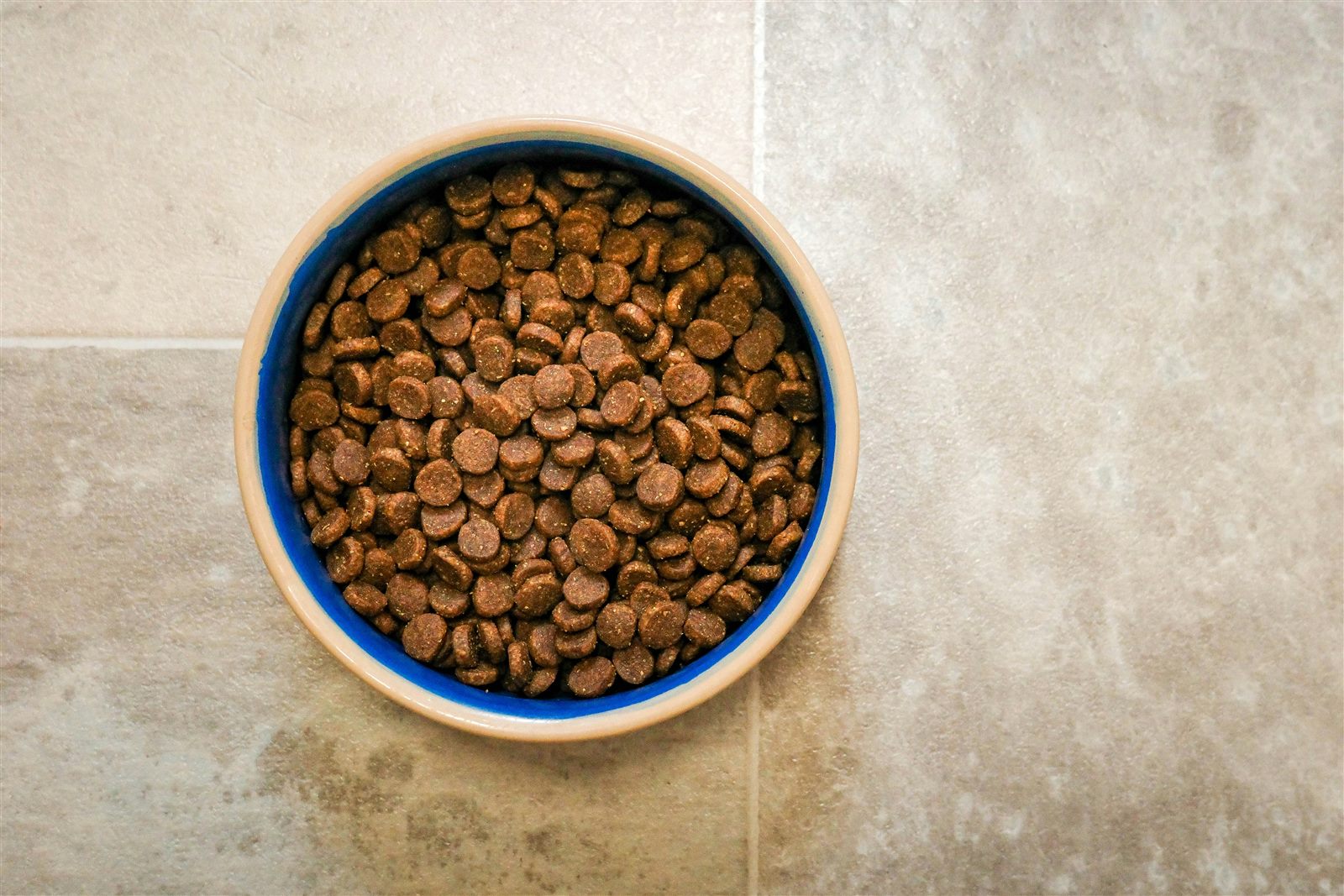
We use this exact formula as a label-reading example. “digestive health” on the front of a bag is not a diagnosis: confirm the nutritional adequacy statement, life stage, calorie information, ingredients, and current feeding directions.
- Compare the exact formula label, not only the brand name, with the food your dog currently eats.
- Change one major diet variable at a time and keep a simple record of portions, stool, appetite, and symptoms.
- Contact a veterinarian before another food trial when vomiting, blood, pain, weight loss, or lethargy is present.